

What Does Inflammation Actually Look Like on Your Skin?
Inflammation Series, Part 1: The Root of Sensitivity

Sometimes it starts with a rash that seems to come out of nowhere. Or a flare you can’t trace back to anything specific. I remember the times my skin gave out—when no serum or cream could mask what was really happening beneath the surface. Back then, I didn’t understand how deeply my gut, my skin, and my mind were entangled. I thought I was battling breakouts or rashes in isolation, when in reality my skin was just a mirror, reflecting the inflammation brewing inside me.

You’ve probably heard it: “Inflammation is the root of all skin issues.” But what does that actually mean when your skin is flaring up—again?
Sensitive skin is a spectrum. Inflammation isn’t always loud or dramatic. For some, it shows up as obvious redness or painful swelling. For others, it could be quiet, low-grade, and chronic—the kind that lingers beneath the surface, slowly chipping away at your barrier until everything feels off balance. That’s when the smallest stressor, the wrong meal, or a restless night can tip things over the edge.
And while we’ve all heard of the bigger names—eczema, psoriasis, rosacea—sensitivity doesn’t always fit neatly into a diagnosis. Sometimes it’s simply the skin’s way of telling us something deeper is out of alignment.
This is a topic I’m deeply passionate about. I first explored it in depth during one of my UCLA Extension skincare courses, taught by some of the best professionals in the industry. It was eye-opening to finally connect the dots between inflammation, sensitivity, and acne—especially as someone who has struggled with all three my whole life.

What Low-Level (Sometimes referred to as Non-Pathological) Inflammation Looks Like
Subtle signs to watch for:
Redness that lingers
Tight or flaky patches
Warmth or heat without sun exposure
Tingling or stinging after applying products
Rash with no warning
Breakouts in unusual areas
These are signs of subclinical inflammation—a below-the-surface immune response that disrupts skin health over time. Even when skin “looks” healed, there can still be an underlying immune response brewing. That hidden activity doesn’t always announce itself with redness, itch, or rash right away. Instead, it quietly disrupts the skin’s balance, weakening the barrier, altering how immune cells communicate, and making the tissue more reactive to everyday triggers. (Al et al., 2025). Over time, this simmering inflammation chips away at resilience.
It’s why flare-ups can feel like they appear “out of nowhere.” The reality is, the groundwork for relapse often starts long before you see or feel it on the surface. Subclinical inflammation is like the whisper before the scream—the silent precursor that destabilizes the skin until something tips it over the edge.
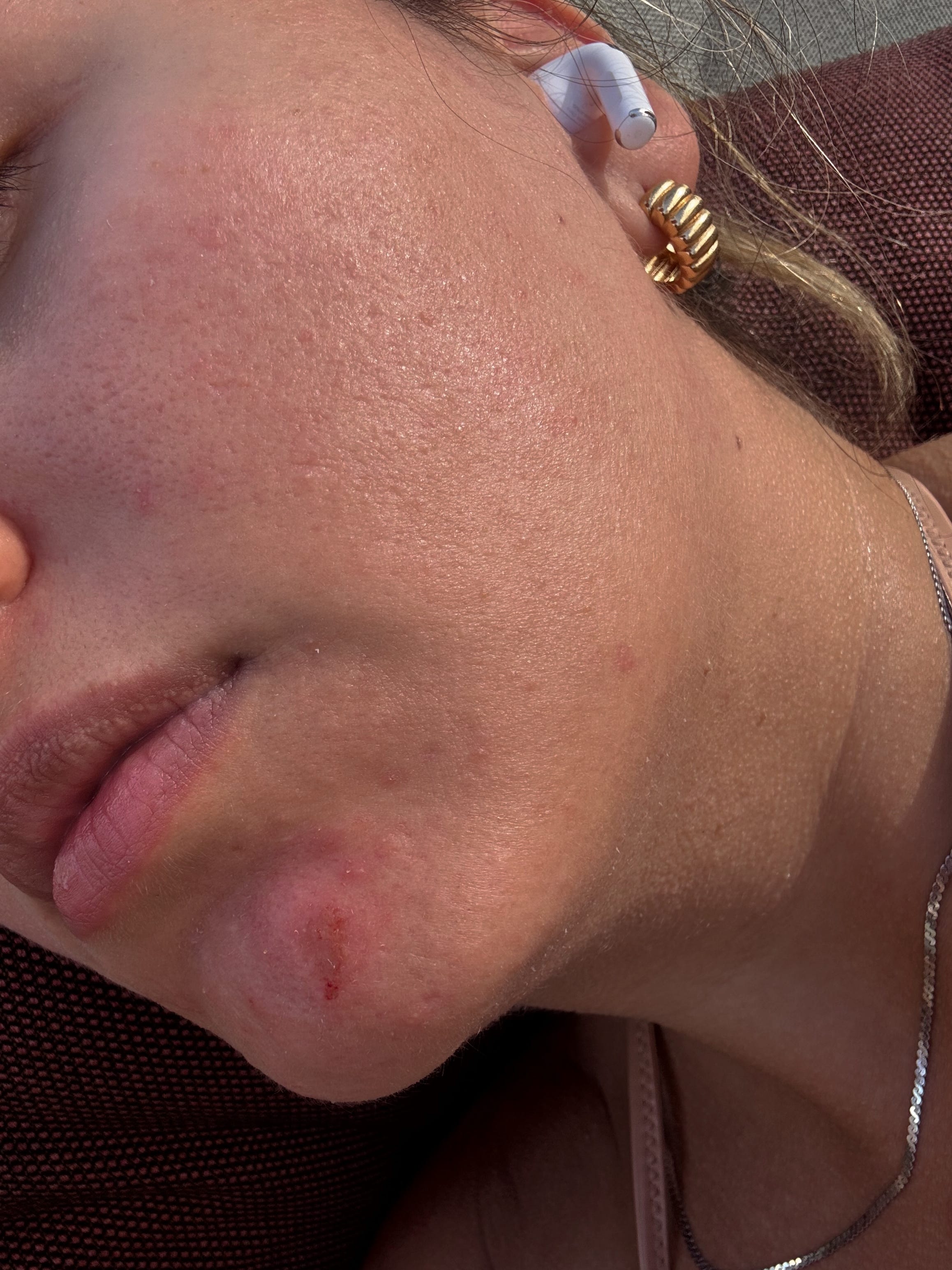
You see, skin isn’t just a barrier, it’s an immune organ, constantly on high alert. Keratinocytes act like little sensors, equipped with receptors that detect danger signals and trigger cytokine release that summons help. Resident immune cells, like dendritic cells and T cells, stand guard in the skin, ready to amplify those signals and coordinate a broader response. This signaling recruits and activates T cells and dendritic cells, creating a cascade meant to protect the body. But the same system that’s meant to defend us can get stuck in overdrive, forming a self-sustaining inflammatory loop (Nestle et al., 2009).
While there’s still much to learn about the root causes of inflammation, one thing is clear: when your skin’s microbiome slips out of balance—a state called dysbiosis—it’s often connected to inflammatory conditions like eczema, psoriasis, rosacea, and even acne. In this state, the barrier weakens, skin pH rises, and water loss accelerates. That’s when visible signs can appear—dryness, flaking, or increased cell turnover as keratinocytes break down (Sfriso et al., 2020).
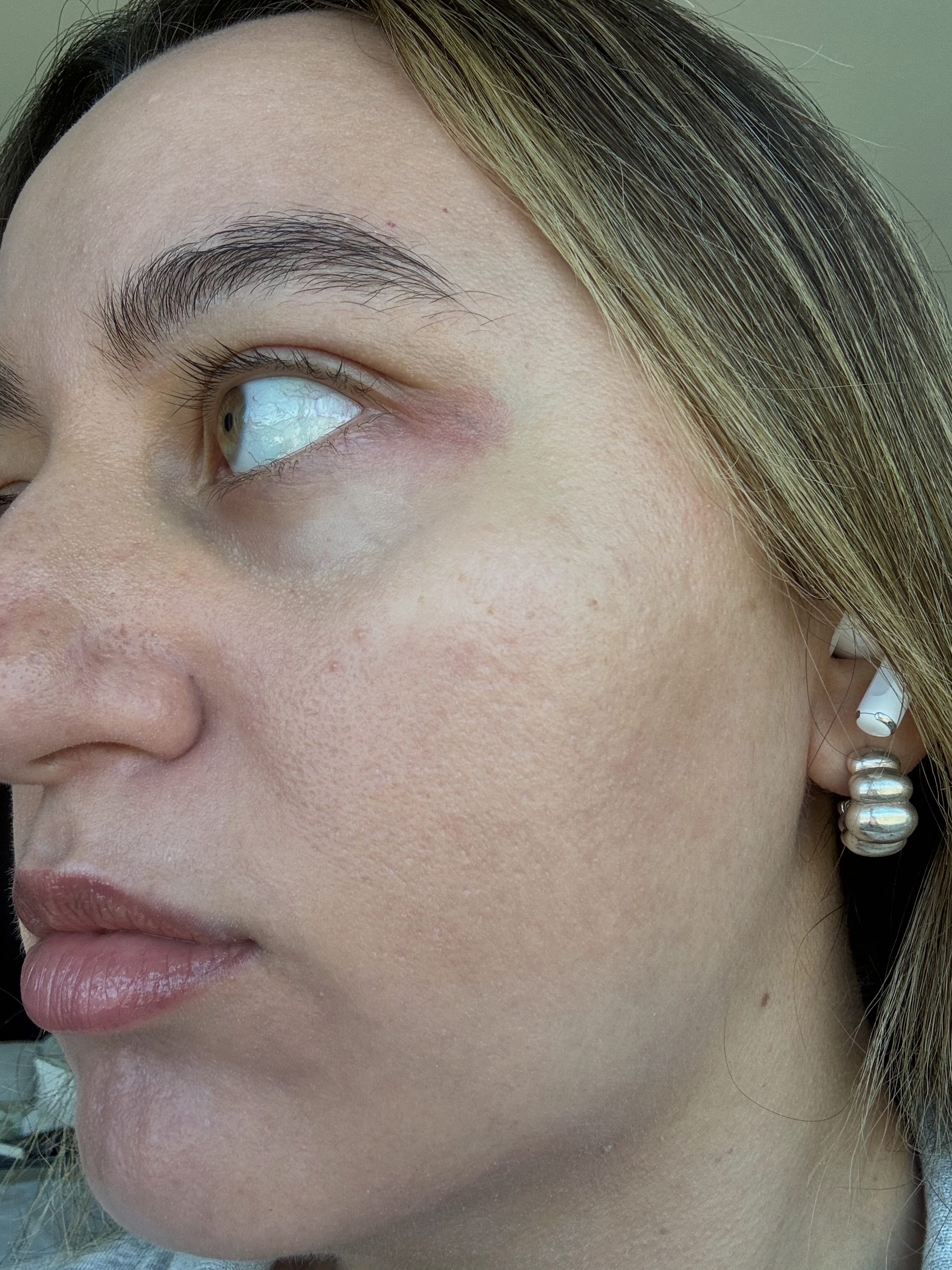
Beneath the surface, the immune system is also at work. Langerhans cells, T cells, neutrophils, macrophages, and mast cells are recruited, fueling a cycle of ongoing inflammation. This is exactly what happens in conditions like psoriasis, where immune signals and skin cells keep feeding into each other, locking the skin into a state of chronic flare.
It can also trigger a phenomenon called inflammaging—the slow burn of low-grade inflammation that, over time, unravels the skin’s extracellular matrix (ECM), disorganizes collagen, and accelerates the visible signs of aging. (Pilkington et al., 2021). We’ll dive more into this in Part 3.
What remains uncertain is the classic “chicken or egg” dilemma: does dysbiosis set these barriers and immune changes in motion, or do those very changes create the imbalance in the first place? What we know for sure is that keeping inflammation under control—not just on the surface, but at the mind and gut level too—is essential for supporting a healthy, balanced skin microbiome.
So What’s The Solve?
The good news is that inflammation can be eased (but only with a gentler touch), inside and out:
Simplify your routine. Sensitive skin doesn’t need 12 steps. It just needs a healthier barrier with a targeted product approach. And it all begins with the basics: a gentle cleanser (I’m partial to oils). Still searching for one that won’t irritate me and actually works, so… stay tuned.
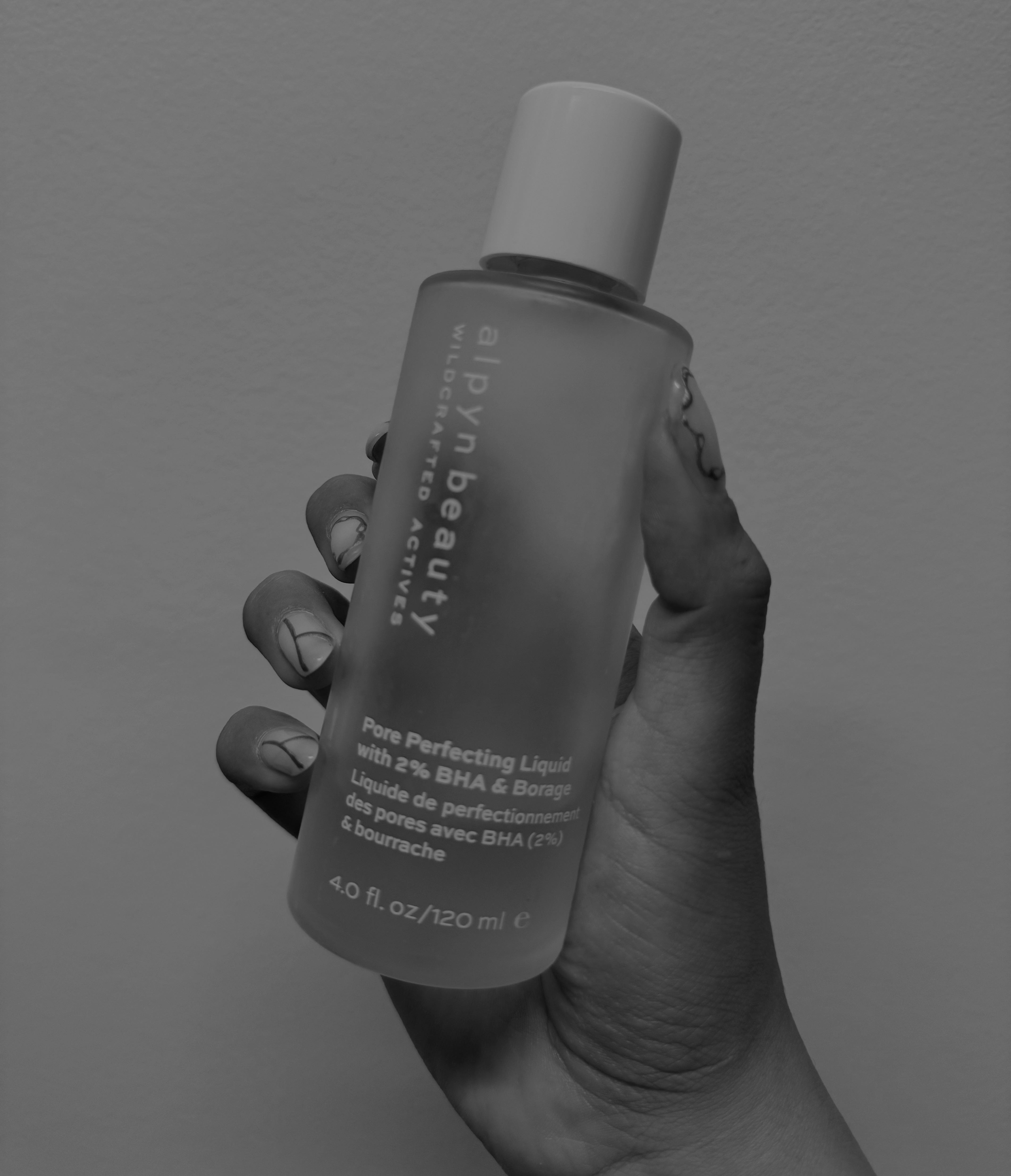
Avoid harsh exfoliants. Physical scrubs can cause micro-tears. Instead, try Polyhydroxy Acids (PHAs) like gluconolactone or lactobionic acid—gentle exfoliants that also hydrate and protect the skin barrier (Grimes et. al, 2004). I personally use the exfoliant toner from Alpyn (with 2% BHA and Borage) only when my skin barrier feels strong and I’m in an oilier phase. It doesn’t give me the usual flakiness I brace for with exfoliants, but if my timing is off, it can still leave me a little irritated.
Eat your skincare. Anti-inflammatory foods like kale, cauliflower, and omega-3-rich fish (salmon, sardines) help calm systemic inflammation, while processed foods, refined grains, and added sugars can fuel it (Calder et al., 2011).
Manage stress (as best you can). Stress hormones like cortisol disrupt the skin barrier and fuel inflammation, while stress also alters serotonin pathways in the skin that normally help regulate balance. Even short walks or breathwork can help calm your nervous system, and your skin. (Nordlind et al., 2008).
Support your gut. Skin and gut health are closely linked—issues like acne often track with gut dysbiosis (Bowe & Logan, 2011). More on this later.
Inflammation might be the hidden cause of your skin’s reactivity, but by noticing those early whispers—tightness, flakiness, redness, or a sensitivity you can’t quite place—and dialing back your routine with gentler, barrier-supportive care, you can interrupt the cycle before it spirals into chronic sensitivity or even accelerates premature aging.
This Is Just The Start
In Part 2, we’ll explore how inflammation drives acne, even in skin that isn’t oily, and why it’s more about immune signaling than sebum alone. And in Part 3, we’ll go deeper into inflammaging: what it is, why it matters for long-term skin health, and how to slow it down with gentle, unrushed approaches that keep your skin strong and resilient.
Key Takeaways:
When your skin barrier weakens, it isn’t just dryness you’re dealing with—it’s an open invitation. Bacteria and allergens slip through, and the immune system goes into defense mode (Berdyshev, 2024). That constant state of activation creates an inflammatory loop, which over time can manifest as chronic skin conditions we all know too well: acne, eczema, psoriasis.
In other words, barrier health and inflammation aren’t separate issues—they’re two sides of the same coin. Protecting one is protecting the other.
As a biochem girlie, I was already well-versed in the inflammatory cascade and its role in wound repair, but seeing how it ties into aging, sensitivity, and breakouts hit on a whole other level. I’ve experienced firsthand how inflammation—whether triggered by harsh products, a reactive diet, or chronic stress—can show up in my gut, and not just in my skin, but in my overall well-being.
Once we understand the root causes of inflammation better, we can move beyond soothing the surface—and focus on long-term skin resilience.
But don’t worry… that’s exactly why i’m here & this is just the beginning...
🌬️ sensitive ilayda
References:
Al, B., Holzscheck, N., Traidl, S., Freimooser, S., Roesner, L. M., Mießner, H., Dittrich-Breiholz, O., Reuter, H., Werfel, T., & Seidel, J. A. (2025). Subclinical inflammation precedes atopic dermatitis relapses. The Journal of allergy and clinical immunology, S0091-6749(25)00686-4. Advance online publication. https://doi.org/10.1016/j.jaci.2025.03.033
Nestle, F. O., Di Meglio, P., Qin, J. Z., & Nickoloff, B. J. (2009). Skin immune sentinels in health and disease. Nature reviews. Immunology, 9(10), 679–691. https://doi.org/10.1038/nri2622
Sfriso, R., Egert, M., Gempeler, M., Voegeli, R., & Campiche, R. (2020). Revealing the secret life of skin - with the microbiome you never walk alone. International journal of cosmetic science, 42(2), 116–126. https://doi.org/10.1111/ics.12594
Pilkington, S. M., Bulfone-Paus, S., Griffiths, C. E. M., & Watson, R. E. B. (2021). Inflammaging and the skin. International Journal of Molecular Sciences, 22(14), 7548. https://doi.org/10.3390/ijms22147548
Grimes, P. E., Green, B. A., Wildnauer, R. H., & Edison, B. L. (2004). The use of polyhydroxy acids (PHAs) in photoaged skin. Cutis, 73(2 Suppl), 3–13.
Calder, P. C., Ahluwalia, N., Brouns, F., Buetler, T., Clement, K., Cunningham, K., Esposito, K., Jönsson, L. S., Kolb, H., Lansink, M., Marcos, A., Margioris, A., Matusheski, N., Nordmann, H., O’Brien, J., Pugliese, G., Rizkalla, S., Schalkwijk, C., Tuomilehto, J., Wärnberg, J., … Winklhofer-Roob, B. M. (2011). Dietary factors and low-grade inflammation in relation to overweight and obesity. The British journal of nutrition, 106 Suppl 3, S5–S78. https://doi.org/10.1017/S0007114511005460
Nordlind, K., Azmitia, E. C., & Slominski, A. (2008). The skin as a mirror of the soul: exploring the possible roles of serotonin. Experimental dermatology, 17(4), 301–311. https://doi.org/10.1111/j.1600-0625.2007.00670.x
Bowe, W. P., & Logan, A. C. (2011). Acne vulgaris, probiotics and the gut-brain-skin axis - back to the future?. Gut pathogens, 3(1), 1. https://doi.org/10.1186/1757-4749-3-1
Berdyshev E. (2024). Skin Lipid Barrier: Structure, Function and Metabolism. Allergy, asthma & immunology research, 16(5), 445–461. https://doi.org/10.4168/aair.2024.16.5.445
I loved this so much. Thank you for this information 🤍